
Free Software Day
Open source tools that allow us to achieve greater technological independence.
At Grava, we believe the future is built collectively. That’s why, in our day-to-day work, we rely on open-source tools that give us greater technological independence.
These are some of the solutions that form part of our ecosystem:
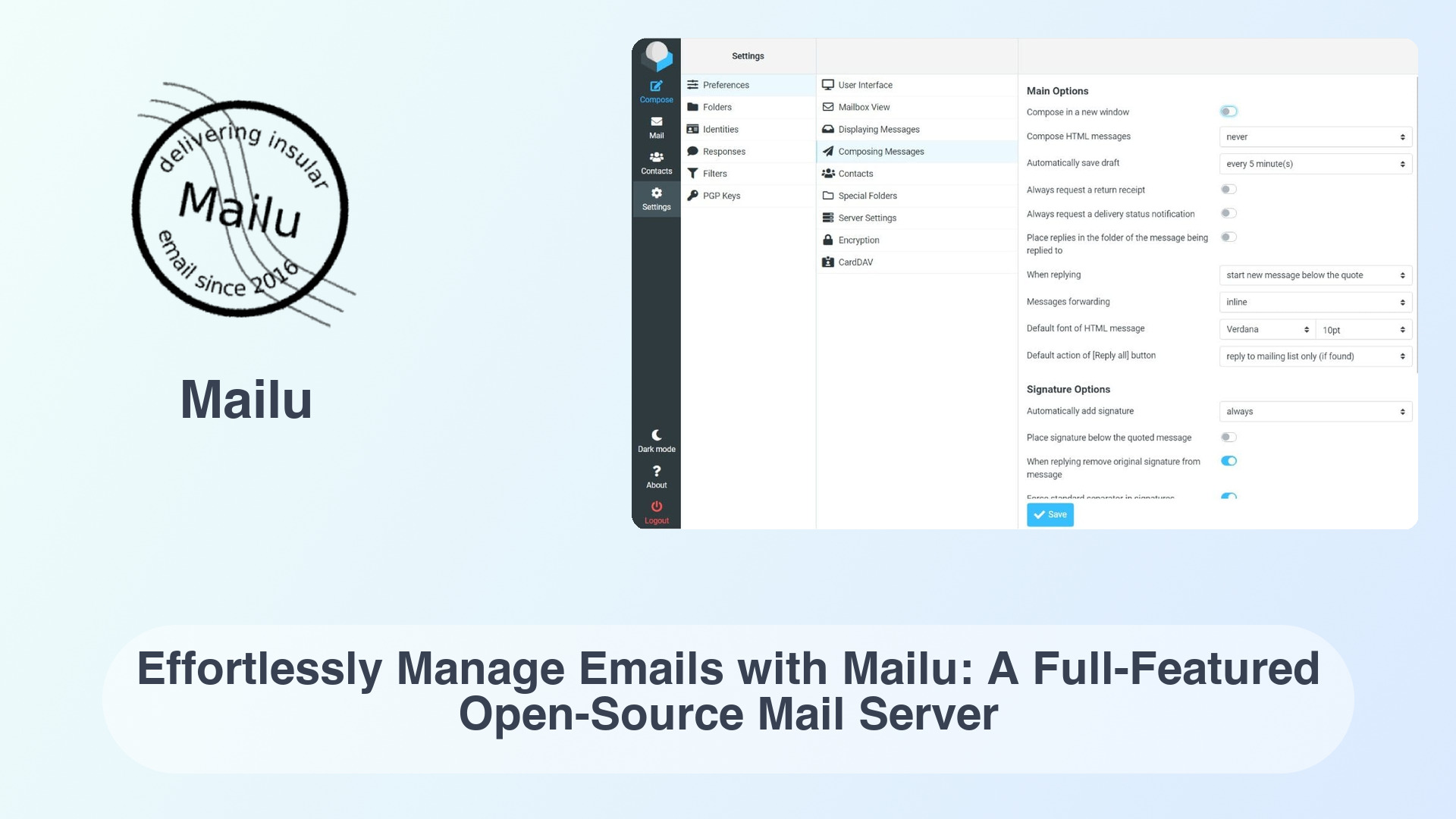
1- Mailu: Self-management, privacy, and full control
Mailu is a modular, lightweight, fully self-hosted email server designed to be deployed via Docker or Kubernetes.
It allows us to:
- Manage domains, users, and aliases through a clean and intuitive admin interface.
- Integrate services such as IMAP, SMTP, Webmail (Roundcube), ClamAV antivirus, and Rspamd antispam.
- Secure our communications with TLS, DKIM, DMARC, and SPF, ensuring deliverability and protection.
- Scale horizontally thanks to its container-based architecture.
For Grava, Mailu means absolute independence, since no external provider stores our emails or controls our keys or communication flows.
2- Mattermost: Real-time collaboration
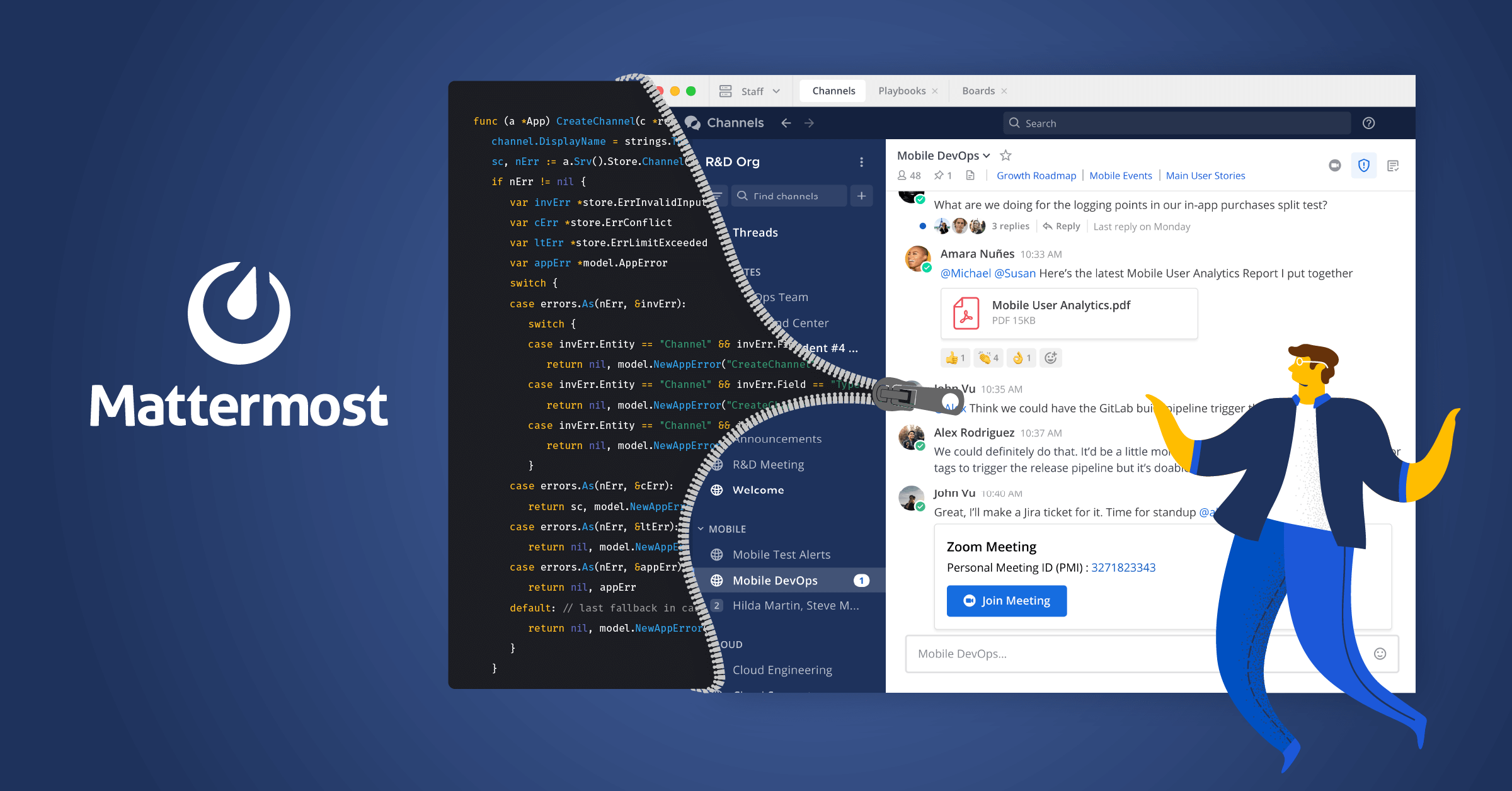
- Mattermost is our core platform for internal messaging and collaborative work. Technically, it provides us with:
- On-premise or private cloud hosting, ensuring full data sovereignty.
- Integrations via REST API and webhooks, allowing us to automate processes or connect our internal bots.
- Compatibility with SSO authentication, LDAP, OAuth2, and CI/CD tools.
- A rich plugin ecosystem, offering everything from kanban-style boards to development dashboards.
The key advantage: we adapt Mattermost to Grava’s culture—not the other way around.
3- HedgeDoc: Collaborative documentation as code
HedgeDoc is a collaborative Markdown-based editing platform, ideal for documenting processes, drafting technical proposals, and recording architecture decisions.
Key features we take advantage of:
- Real-time simultaneous editing with version history.
- Support for diagrams (Mermaid), embedded content, presentations, and export to PDF/HTML.
- SSO integration to maintain secure access control.
- A “docs as code” approach: documentation lives alongside the software, not in an isolated platform.
It’s the tool where ideas flow, evolve, and are collectively refined.
4- Zitadel: Identity, access, and zero friction
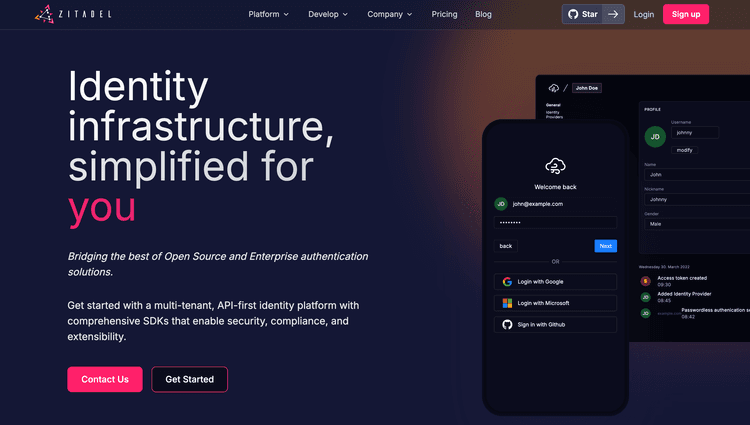
Zitadel is our identity and access management solution, combining security and autonomy within an open model.
Why we use it:
- It allows us to manage users, roles, permissions, and organizations from a modern console.
- Offers multifactor authentication (MFA), passwordless login, and WebAuthn.
- Integrates with any internal service thanks to its event-sourcing architecture.
- It’s open source and fully auditable, preventing “black box” scenarios in such a critical layer as identity.
For our products and clients alike, Zitadel ensures security without complexity.
5- Penpot
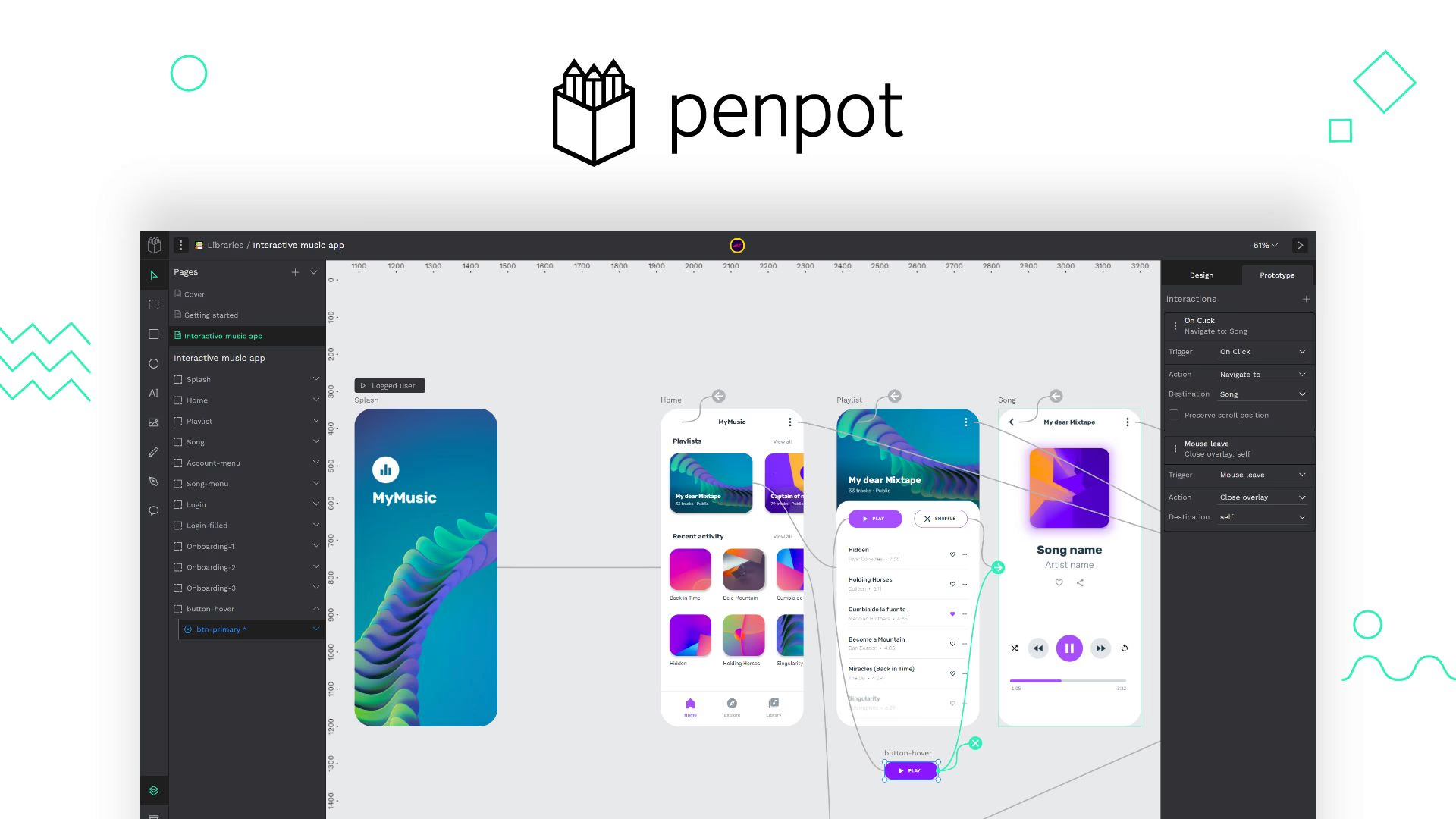
Penpot is the tool we use for interface design and prototyping, fully open source and web-based.
- Unlike proprietary platforms, it offers:
- Native SVG compatibility, simplifying the conversion and reuse of graphic assets.
- Shared workspaces and real-time collaboration across design and development teams.
- Integration with versioning and automation tools.
- Self-hosting options, allowing design workflows to live within the same environment as the code.
At Grava, Penpot gives us the freedom to design without restrictive licenses.
6- Grava Gestión
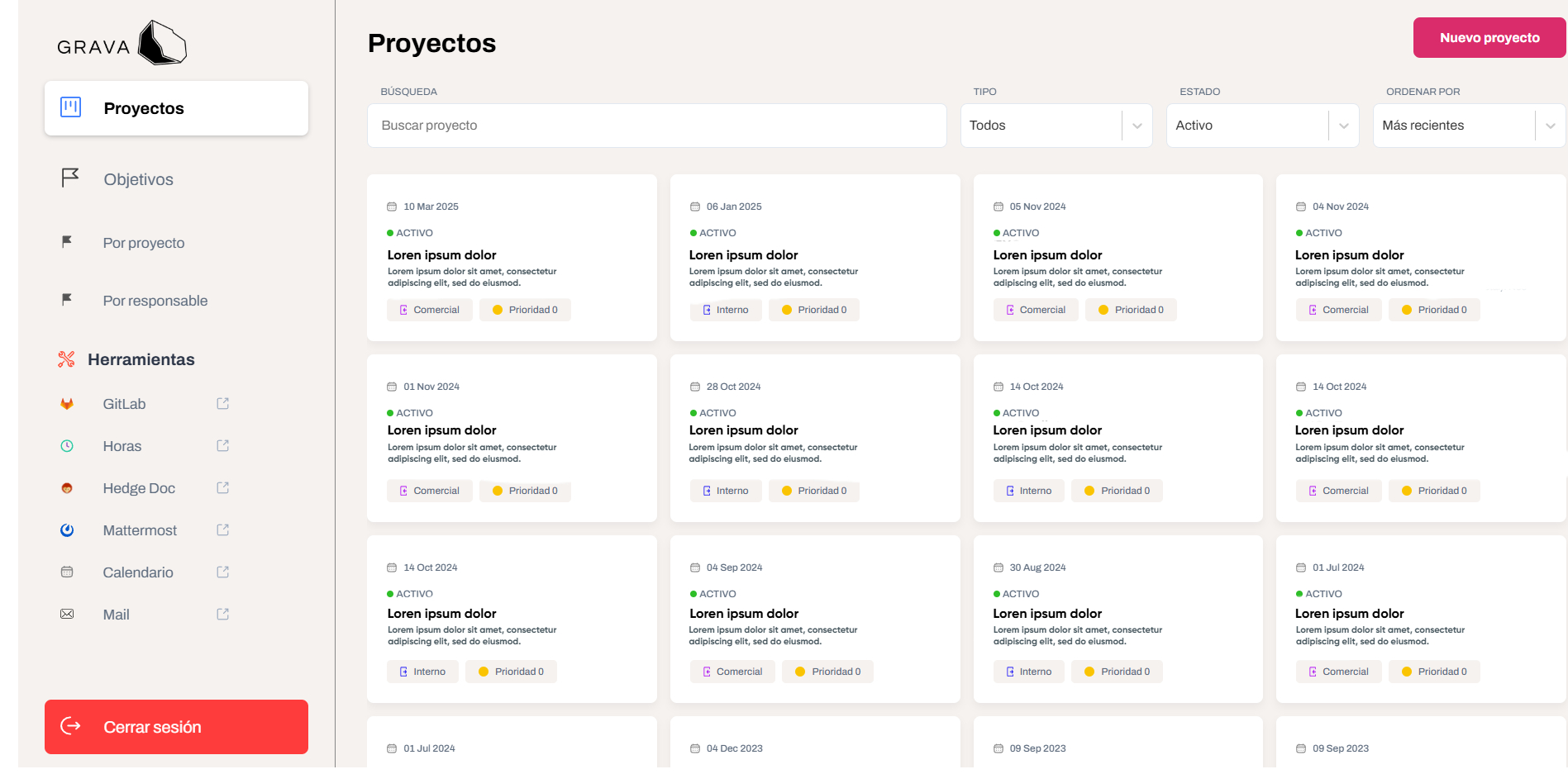
We never found a project management tool that truly fit our workflow, so we built our own—open source from the ground up, and coming soon.
- Open-source code.
- Direct integration with our stack.
- Features aligned with real development workflows, not generic models.
Each of these tools reminds us that free software is more than just technology, it’s a way of thinking, creating, and sharing. At Grava, we commit to this philosophy because we believe in a digital future that is open, inclusive, and collectively built.